Introduction
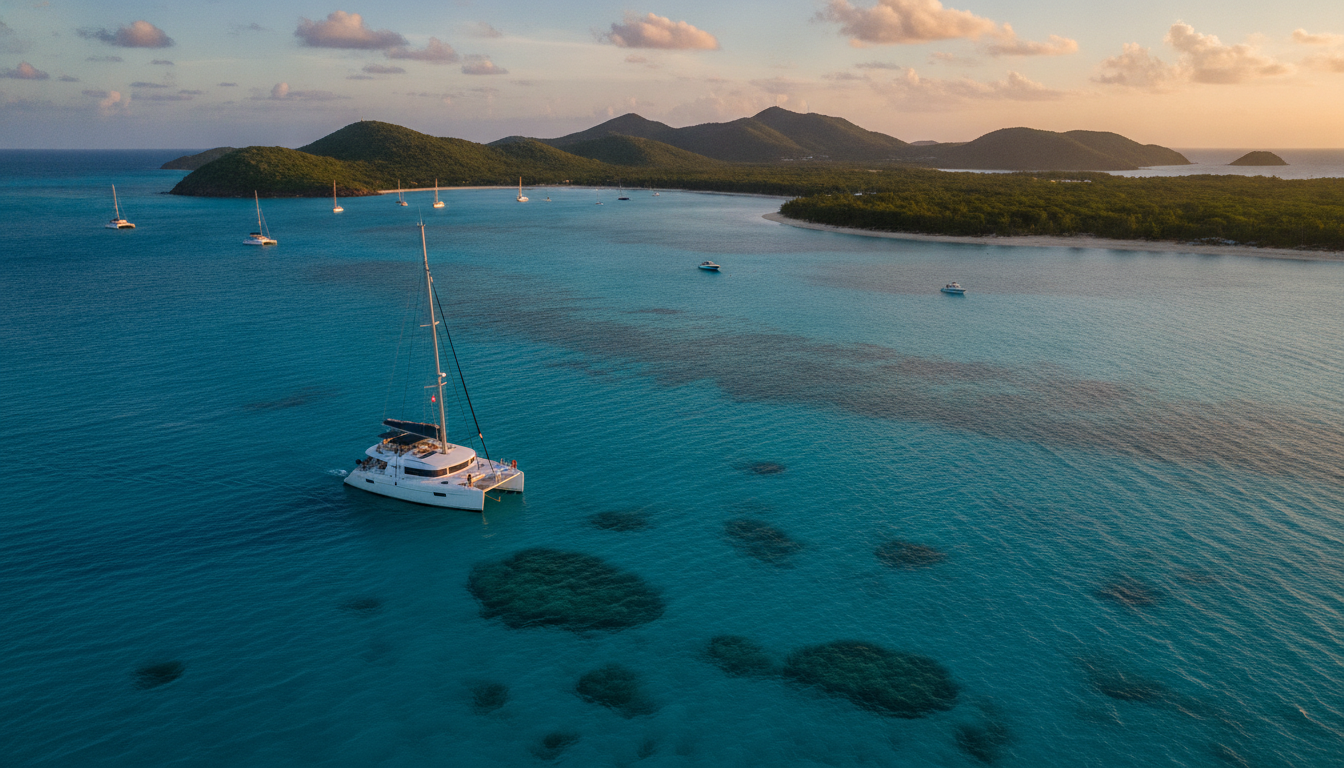
Antigua and Barbuda, the twin-island nation located in the heart of the Leeward Islands, has long been revered as the sailing capital of the Caribbean. With a coastline famously boasting 365 beaches—one for every day of the year—the most effective and luxurious way to experience this archipelago is undoubtedly by water. In recent years, the maritime industry has seen a significant shift toward private yacht charters and boutique sailing experiences, as travelers seek to bypass crowded resorts in favor of secluded coves and untouched marine ecosystems. When exploring What Are the Best Things to Do in Antigua by Boat?, one must look beyond the standard tourist trails. The island’s unique geography, characterized by deep-water harbors, jagged limestone cliffs, and expansive coral reefs, provides a playground for both seasoned sailors and leisure seekers. From the historical prestige of Nelson’s Dockyard to the translucent waters of Green Island, a nautical itinerary in Antigua offers a blend of colonial history, high-octane regattas, and serene natural beauty that is unattainable from the shore.
The Historical Heart: Nelson’s Dockyard and English Harbour
Any maritime journey in Antigua must begin or culminate in English Harbour. This is not merely a marina; it is a UNESCO World Heritage site and the only remaining Georgian-era dockyard in the world. From the deck of a boat, the approach into English Harbour is breathtaking, flanked by the high ground of Shirley Heights and the historic fortifications of Fort Berkeley. Navigating these waters allows you to see the dockyard as Admiral Horatio Nelson did in the 18th century.
Exploring the Dockyard from the Water
While many tourists walk the cobblestone paths, seeing the restored stone warehouses and copper shops from the water provides a unique perspective on British naval engineering. The harbor offers excellent protection from the elements, making it a primary hub for global yachting events. If you are visiting during the Antigua Sailing Week or the Antigua Classic Yacht Regatta, the harbor becomes a forest of masts, showcasing some of the most expensive and historically significant vessels on the planet.
Snorkeling at the Pillars of Hercules
Located at the entrance to English Harbour, the Pillars of Hercules are striking limestone rock formations carved by centuries of wind and wave action. While accessible by a strenuous hike, the best way to experience them is by boat. Dropping anchor nearby allows for world-class snorkeling. The underwater topography here is a mirror of the cliffs above, with large boulders creating crevices that house lobsters, trumpet fish, and occasionally hawksbill turtles.
The Unspoiled East: Green Island and Rickett Harbor
For those seeking seclusion away from the bustling south coast, Green Island is an essential stop. Located off the eastern tip of Antigua, near the mouth of Nonsuch Bay, this uninhabited island is only accessible by boat. It represents the pinnacle of the Caribbean “desert island” fantasy.
Anchoring at Tenpound Bay
Green Island offers several protected anchorages, with Tenpound Bay being a favorite for those on private charters. The waters here are remarkably calm due to the protection of the surrounding reef. It is an ideal spot for paddleboarding or kayaking directly from your vessel. The white sandy beaches are pristine, often with no other footprints but your own.
Kiteboarding and Windsurfing in Nonsuch Bay
The area surrounding Green Island is a mecca for wind sports. The consistent trade winds and the flat water provided by the barrier reef create world-class conditions for kiteboarding. Many high-end charters, such as those provided by Salt-n-Sun Charter, can facilitate these activities, allowing guests to transition from the luxury of a catamaran to the adrenaline of the wind-swept bay.
Marine Biodiversity: Cades Reef and the South Coast
Cades Reef is Antigua’s largest coral reef, stretching for approximately seven miles along the southwestern coast. It is a designated marine park, ensuring that the biodiversity remains protected from commercial exploitation. For boaters, this is the premier destination for underwater exploration.
Snorkeling and Diving Logistics
The reef acts as a natural breakwater, meaning even on days when the Atlantic is choppy, the inner side of Cades Reef remains calm. This makes it accessible for snorkelers of all skill levels. Visibility often exceeds 80 feet, revealing a vibrant ecosystem of brain coral, sea fans, and elkhorn coral. Divers can expect to see reef sharks, moray eels, and massive schools of blue tang.
The Advantage of a Private Boat
While large tour boats frequent Cades Reef, having a private vessel allows you to time your visit to avoid the crowds. Arriving in the early morning or late afternoon provides a more intimate connection with the marine life. It also allows you to explore the lesser-known “patch reefs” that sit between the main reef and the shoreline, which are often teeming with juvenile fish.
The Allure of Barbuda: A Day Trip North
While technically a separate island, no discussion of boating in Antigua is complete without mentioning its sister island, Barbuda. Located roughly 27 miles north of Antigua, Barbuda is a flat, coral-based island that offers a stark contrast to the volcanic peaks of the main island. A high-speed powerboat or a sailing catamaran can make the crossing in a few hours, opening up a world of pink sand and prehistoric nature.
The 11-Mile Beach and Pink Sands
Barbuda is home to the famous 11-Mile Beach, a continuous stretch of sand that appears pink due to the crushing of tiny rose-colored shells (foraminifera). Approaching this beach by boat is a surreal experience; the water transitions from deep indigo to a glowing turquoise as the depth shelves rapidly. There are no docks here; you simply drop anchor and swim to shore.
The Frigate Bird Sanctuary
Located in the Codrington Lagoon, this sanctuary is home to over 5,000 Frigate birds. While you must use a local guide and a smaller boat to enter the lagoon itself, arriving at the mouth of the lagoon on your own charter vessel is the most efficient way to access this remote location. It is one of the most important nesting sites in the world for these magnificent birds with their iconic red throat pouches.
Comparative Analysis of Top Boating Destinations in Antigua
To help plan your maritime itinerary, the following table compares the primary boating locations based on activity type and accessibility.
| Location | Primary Activity | Water Conditions | Accessibility | Key Feature |
|---|---|---|---|---|
| English Harbour | History & Dining | Calm/Protected | Very Easy | UNESCO Historic Sites |
| Green Island | Privacy & Snorkeling | Very Calm | Boat Only | Uninhabited Beaches |
| Cades Reef | Diving & Snorkeling | Moderate | Offshore | 7-Mile Barrier Reef |
| Great Bird Island | Hiking & Birding | Calm | Boat Only | Red-Billed Tropicbirds |
| Deep Bay | Shipwreck Diving | Protected | Easy | The Andes Wreck |
| Barbuda | Beach Exploration | Open Sea Cross | Difficult | Pink Sand & Frigates |
Adventures in the North: Great Bird Island and the North Sound
The North Sound of Antigua is a protected area containing over 20 small islets. The most famous of these is Great Bird Island. This area is a microcosm of Caribbean biodiversity and is a must-visit for eco-conscious travelers.
Hiking for the View
Great Bird Island features a short but steep hike to its highest point. From the summit, you are rewarded with a 360-degree view of the Atlantic crashing against the outer reefs on one side and the calm, turquoise waters of the North Sound on the other. It is a favorite spot for photographers.
Wildlife Encounters
The island is the only place in the world where you might spot the Antiguan Racer snake in the wild. Once the rarest snake on earth, conservation efforts have brought it back from the brink of extinction. By visiting by boat, you support the eco-tourism model that funds these vital conservation projects.
The West Coast: Deep Bay and the Wreck of the Andes
The leeward (western) coast of Antigua is home to some of the island’s most popular beaches, but it also hides a secret beneath the waves in Deep Bay. This perfectly semi-circular bay is an excellent anchorage for overnight stays.
The Andes Shipwreck
In the center of Deep Bay lies the wreck of the Andes, a merchant ship that sank in 1905 after a fire broke out in its hold. Because the ship is in relatively shallow water, its masts used to poke above the surface. Today, it is a haven for sponges and coral. Snorkeling over a century-old shipwreck just a few hundred yards from your boat is a hauntingly beautiful experience that defines the Antiguan boating lifestyle.
Fort Barrington
Overlooking Deep Bay is Fort Barrington, which saw action during the colonial struggles between the British and the French. A quick dinghy ride to the shore and a 10-minute hike allows you to explore the ruins and take in the strategic view of the shipping lanes. Seeing the fort from your boat at sunset provides a sense of the historical gravity this location once held.
Frequently Asked Questions
What is the best time of year to charter a boat in Antigua?
The peak season is from December to May, known as the dry season. During this time, the trade winds are consistent (the “Christmas Winds”), and the weather is pleasantly warm. However, for those seeking calmer seas and lower prices, the shoulder months of November and June can be excellent, provided you monitor the tropical weather forecasts.
Do I need a license to sail a boat in Antigua?
If you are booking a bareboat charter (sailing the boat yourself), you will need to provide a sailing resume and, in some cases, a formal ICC or RYA certification. However, most visitors opt for a crewed charter or a day skipper, which requires no experience and allows you to focus entirely on the experience while a professional handles the navigation.
Are there mooring balls available, or must I anchor?
Antigua has a mix of both. In popular areas like English Harbour and Great Bird Island, there are mooring balls available for a small fee to protect the seabed. In more remote areas like Barbuda or parts of the North Sound, you will need to anchor. Always ensure you are anchoring in sandy patches to avoid damaging the coral reefs.
Can I visit Barbuda in a single day by boat?
Yes, but it depends on the vessel. A fast powerboat can make the trip in about 90 minutes each way, allowing for a full day of exploration. A sailing catamaran will take 3 to 4 hours, which is better suited for an overnight trip to truly enjoy the serenity of the island.
What should I pack for a day on a boat in Antigua?
Essential items include high-SPF reef-safe sunscreen, a polarized pair of sunglasses to see through the water’s surface, a waterproof bag for electronics, and plenty of water. Most high-quality charters provide snorkeling gear, but bringing your own mask ensures a perfect fit.
Conclusion
Exploring Antigua by boat is not merely a luxury; it is the most authentic way to engage with the island’s geography, history, and ecology. Whether you are navigating the historic waters of English Harbour, snorkeling the expansive Cades Reef, or finding solitude on the pink sands of Barbuda, the perspective from the water is unparalleled. By choosing a reputable provider like Salt-n-Sun Charter, you ensure a bespoke experience that prioritizes safety, local knowledge, and environmental stewardship. Antigua remains a premier destination for those who understand that the journey is just as important as the destination. As the maritime industry continues to evolve toward more personalized and sustainable travel, the bays and reefs of Antigua will remain at the forefront of the global sailing stage, beckoning adventurers to discover what lies beyond the horizon.


