Introduction
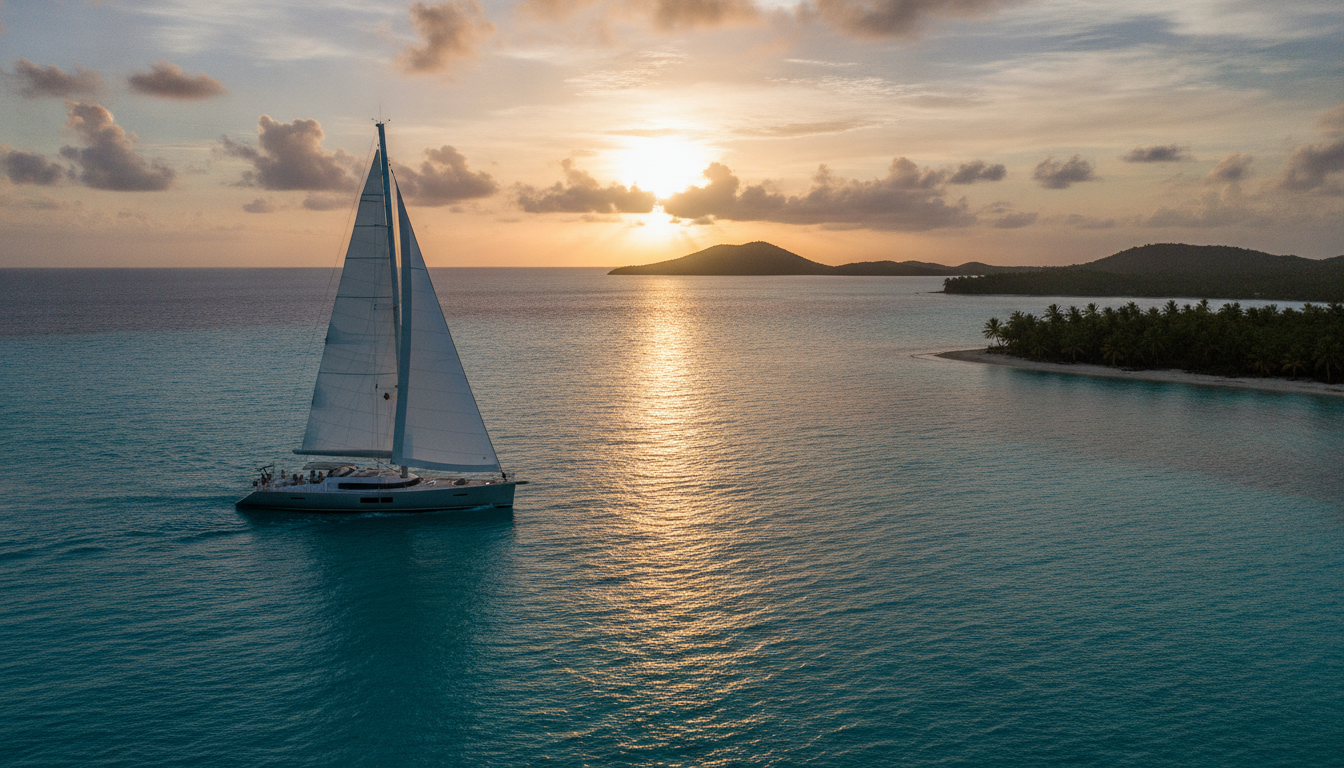
Antigua, often referred to as the heart of the Caribbean, represents the pinnacle of international sailing. With its 365 beaches and a coastline indented with deep, protected bays, the island has evolved from a strategic 18th-century naval base into the premier yachting destination of the Leeward Islands. The current industry trends indicate a significant shift toward experiential luxury and sustainable yachting, where sailors seek more than just clear waters; they seek a blend of historical narrative, ecological diversity, and sophisticated infrastructure. Antigua delivers on all these fronts, offering a maritime heritage that is unparalleled in the Western Hemisphere. The island’s geography, characterized by jagged volcanic formations and sprawling coral reefs, creates a micro-climate of consistent trade winds and calm leeward waters, making it a sanctuary for both seasoned offshore racers and leisure cruisers alike.
The Nautical Allure of Antigua
The primary draw for sailors in Antigua is the consistency of the conditions. The northeast trade winds, often called the ‘Christmas Winds’ during their peak in December and January, provide a steady 15 to 25 knots of pressure, ideal for exhilarating reaches between the island’s many anchorages. Unlike other Caribbean destinations that may suffer from significant tidal ranges or unpredictable currents, Antigua offers manageable navigation, provided one remains vigilant of the extensive reef systems. The island’s position as a hub for the Antigua Sailing Week and the RORC Caribbean 600 underscores its status as a global epicenter for competitive sailing. This concentration of expertise has fostered a world-class service industry, from master shipwrights to luxury provisioning, ensuring that any vessel, whether a 40-foot catamaran or a 200-foot superyacht, is well-supported.
English Harbour: The Historic Epicenter
No exploration of sailing in Antigua is complete without a deep dive into English Harbour. This UNESCO World Heritage site, centered around Nelson’s Dockyard, is the only remaining working Georgian dockyard in the world. For the modern sailor, entering English Harbour is like stepping back into the age of sail, but with the amenities of the 21st century. The harbor is exceptionally well-protected, sheltered by high hills that once hid the British fleet from French privateers. Nelson’s Dockyard offers a unique opportunity to tie up alongside stone quays that have stood for centuries. The surrounding area is rich with history, including the Admiral’s House Museum and the ruins of Fort Berkeley. From a navigational perspective, the entrance to English Harbour is narrow and requires careful attention to the ‘Pillars of Hercules,’ a dramatic rock formation that guards the eastern side of the channel. Once inside, the holding in the mud bottom is excellent, though the harbor can become crowded during peak season (December through April).
Falmouth Harbour: The Superyacht Hub
Directly adjacent to English Harbour lies Falmouth Harbour, a larger, more horseshoe-shaped bay that caters to the world’s largest sailing vessels. Falmouth is divided into three main marinas: Antigua Yacht Club Marina, Falmouth Harbour Marina, and Catamaran Club. This area is the heartbeat of the social scene during major regattas. The deep-water access and expansive turning basins make it the preferred choice for deep-draft yachts. For those seeking a quieter experience, the eastern side of the bay offers several spots to drop anchor, though it remains exposed to the occasional swell. The synergy between English and Falmouth Harbours creates a maritime district that is arguably the most comprehensive in the Caribbean.
Green Island: The Ultimate Secluded Anchorage
Located on the eastern, windward side of Antigua, Green Island offers a stark contrast to the bustling marinas of the south. This uninhabited offshore island is protected by the massive Rickett Reef, which breaks the Atlantic swell and creates a lagoon of crystalline, turquoise water. Accessing Green Island requires careful navigation through a narrow channel between the reefs, but the reward is one of the most picturesque anchorages in the world. Tenpound Bay and Nonsuch Bay provide multiple spots for anchoring. Green Island is a haven for kite surfers and snorkelers, with the reef systems teeming with sea turtles, rays, and tropical fish. Because it is part of a protected area, the water quality is exceptional. When planning your itinerary, booking through a reputable service like Salt-n-Sun Charter ensures access to vessels perfectly suited for these diverse conditions, allowing you to navigate these shallower, reef-strewn waters with confidence and professional support.
Exploring the North Sound and Great Bird Island
The North Sound is a sprawling maritime playground located on the northeastern corner of Antigua. This area is characterized by dozens of tiny islets, hidden coves, and shallow mangroves. Great Bird Island is the crown jewel of this region. It is an ecological sanctuary, home to the rare Antiguan Racer snake and numerous species of nesting seabirds. The anchorage here is shallow and requires a keen eye on the depth sounder, but the water is often as calm as a swimming pool. The North Sound is protected from the Atlantic by a series of barrier reefs, making it an ideal spot for families or those looking for a peaceful retreat away from the main tourist tracks. The limestone caves of Hell’s Gate and the vibrant coral gardens around Maiden Island offer endless opportunities for exploration by dinghy or paddleboard.
Jolly Harbour and the West Coast Beaches
The west coast of Antigua is the leeward side, meaning it is protected from the prevailing winds and offers some of the calmest sailing on the island. Jolly Harbour is the primary commercial hub on this side, featuring a full-service marina, a large supermarket, and a variety of restaurants. It serves as an excellent base for exploring the ‘365 beaches’ that line the western shore. Hermitage Bay and Five Islands Harbour are notable anchorages that offer pristine white sand and sunset views that are second to none. The sailing here is relaxed, with short distances between bays, making it perfect for a day-sailing itinerary. The water color on the west coast is a distinct milky turquoise, caused by the fine coral sand, providing a different aesthetic experience compared to the deep blues of the south coast.
Barbuda: The Untouched Frontier
For those willing to sail 27 nautical miles north of Antigua, the sister island of Barbuda awaits. Barbuda is a flat, coral-limestone island that feels worlds away from the relative bustle of Antigua. It is famous for its 11-mile pink sand beach at Low Bay. Sailing to Barbuda is a true blue-water experience, usually involving a fast beam reach across the channel. Once there, the navigation is critical; the island is surrounded by treacherous reefs that have claimed hundreds of ships over the centuries. However, the anchorages at Low Bay or Gravenor Bay offer an isolation that is rare in the modern Caribbean. Barbuda is also home to the largest Frigate Bird Sanctuary in the Western Hemisphere, located in the Codrington Lagoon. A visit to Barbuda is a journey back in time, where the pace of life is dictated by the tides and the sun.
Deep Bay: History Beneath the Surface
Deep Bay, located just north of Five Islands Harbour, is one of the most popular day-anchorages in Antigua for a good reason. In the center of the bay lies the wreck of the Andes, a steel-hulled merchant ship that sank in 1905. The wreck sits in less than 30 feet of water, with its masts occasionally breaking the surface, making it an incredible snorkeling and diving site accessible directly from your yacht. The bay itself is perfectly semicircular, providing excellent protection from almost all wind directions. On the northern headland sits Fort Barrington, which offers a short but steep hike with panoramic views of the western coastline and the neighboring island of Nevis on a clear day.
Comparative Analysis of Sailing Spots
To help you plan your voyage, the following table summarizes the key characteristics of the top sailing destinations in Antigua.
| Location | Best For | Anchorage Type | Difficulty Level | Key Highlight |
|---|---|---|---|---|
| English Harbour | History & Culture | Mooring/Dock | Moderate | Nelson’s Dockyard |
| Green Island | Privacy & Snorkeling | Anchor | Advanced | Rickett Reef |
| Jolly Harbour | Amenities & Supplies | Marina/Anchor | Easy | White Sand Beaches |
| Great Bird Island | Wildlife & Calm Water | Anchor | Moderate | Frigate Birds |
| Barbuda | Solitude & Nature | Anchor | Advanced | Pink Sand Beach |
| Deep Bay | Snorkeling & Hiking | Anchor | Easy | Andes Shipwreck |
Sailing Logistics and Chartering
When organizing a sailing trip in Antigua, timing and vessel selection are paramount. The peak season runs from December to May, coinciding with the driest weather and most consistent winds. During the hurricane season (June to November), many services scale back, and sailors must be prepared for more humid conditions and the potential for tropical disturbances. For those looking for a sailing charter, options range from bareboat monohulls for the hands-on sailor to luxury crewed catamarans that provide a five-star resort experience on the water. It is essential to ensure your vessel is equipped with a modern GPS and up-to-date charts of the Antiguan reefs. Furthermore, customs and immigration procedures are centralized in English Harbour, Jolly Harbour, and Heritage Quay, making it relatively straightforward to clear in if you are arriving from a neighboring island.
Frequently Asked Questions
What is the best time of year to sail in Antigua?
The prime sailing season is between December and May. During this period, the trade winds are consistent, and the risk of tropical storms is minimal. The ‘Christmas Winds’ in December and January provide the most excitement for performance sailors.
Do I need a special license to charter a boat in Antigua?
Most charter companies require a sailing resume or a recognized certification (like ASA or RYA) for bareboat charters. If you do not have sufficient experience, hiring a local skipper is highly recommended and adds a layer of local knowledge to your trip.
How far is the sail from Antigua to Barbuda?
The distance is approximately 27 to 30 nautical miles depending on your departure point. It typically takes 3 to 5 hours of sailing. It is best to leave early in the morning to ensure you have good overhead sunlight for navigating the reefs upon arrival in Barbuda.
Are there many mooring balls available in Antigua?
While there are some mooring fields, particularly in English Harbour and parts of the North Sound, Antigua is primarily an anchoring destination. Ensure your vessel has a high-quality anchor and sufficient chain for the varied bottom types (sand, mud, and grass).
Is it safe to sail around Antigua at night?
Night sailing is generally discouraged for leisure cruisers in Antiguan waters due to the extensive and often unlit coral reefs. It is best to reach your intended anchorage by 4:00 PM to ensure you have clear visibility of the bottom and any obstacles.
Conclusion
Antigua remains a cornerstone of the global sailing community because it offers a rare combination of natural beauty, historical depth, and modern convenience. From the hallowed grounds of Nelson’s Dockyard to the pristine, untouched shores of Barbuda, the island provides a diverse range of experiences that cater to every type of mariner. Whether you are navigating the challenging reefs of the North Sound or enjoying a sunset cocktail in the leeward calm of Jolly Harbour, Antigua’s maritime landscape is designed to inspire. By choosing the right locations and professional services, you ensure a voyage that is not only safe but truly transformative. The island’s commitment to preserving its marine environment and its rich nautical traditions ensures that it will remain the premier sailing destination of the Caribbean for generations to come.


