
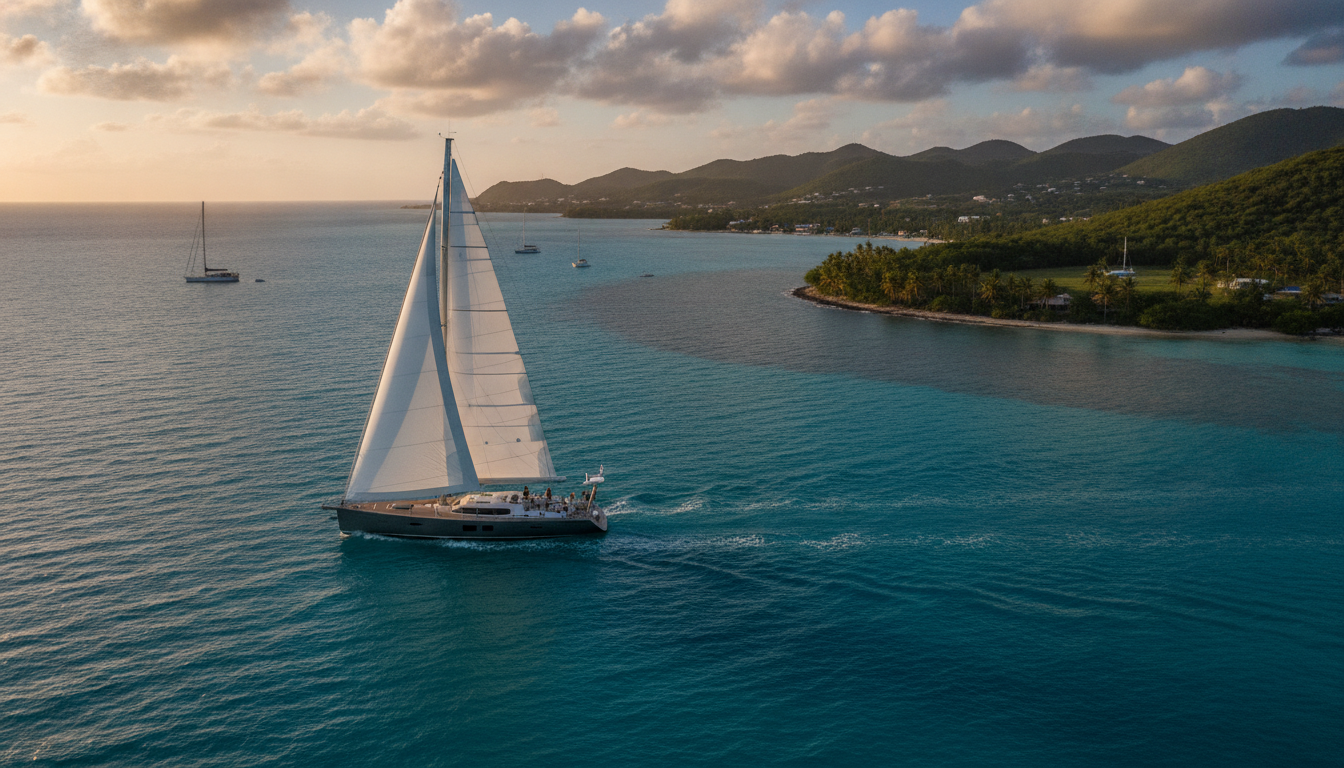
Is Antigua Good for Sailing? A Comprehensive Deep-Dive
In the world of maritime exploration, few destinations command as much respect and admiration as Antigua. Situated at the heart of the Leeward Islands in the Eastern Caribbean, Antigua has long been considered the sailing capital of the region. This reputation is not merely a product of marketing but is built upon centuries of naval history, consistent trade winds, and a geographical layout that seems almost intentionally designed for the yachting enthusiast. When asking, Is Antigua Good for Sailing?, the answer from seasoned mariners is a resounding yes. The island offers a unique blend of challenging blue-water passages and protected, tranquil bays, making it a versatile hub for both professional racers and leisure cruisers alike.
The Geographical Advantage: 365 Beaches and Natural Harbours
Antigua is famously known for having 365 beaches—one for every day of the year. For the sailor, this translates to an incredible density of anchorages and coastal exploration opportunities. Unlike some Caribbean islands that feature rugged, inaccessible coastlines, Antigua is deeply indented with bays, lagoons, and natural harbours. The southern coast, dominated by the historic English Harbour and Falmouth Harbour, provides deep-water access and exceptional protection from the Atlantic swell. These harbours were strategically chosen by the British Royal Navy in the 18th century for their defensibility and shelter during the hurricane season, a testament to their reliability today. To the north and east, the island is fringed by extensive coral reefs, creating large areas of calm, turquoise water known as the North Sound. This area is a playground for those who prefer flat-water sailing and snorkeling in pristine marine environments.
The Climate and Wind Patterns: The Power of the Trade Winds
Central to the Antiguan sailing experience are the North East Trade Winds. These winds are remarkably consistent, typically blowing from the east or northeast at 15 to 25 knots during the peak sailing season from December to May. This reliability is what attracts major international regattas to the island. During the winter months, sailors often encounter the ‘Christmas Winds,’ which can provide more spirited conditions, pushing the wind speeds toward 30 knots and offering exhilarating offshore legs. The air temperature remains a steady 25°C to 30°C (77°F to 86°F), and the water temperature is equally inviting. Because the island is relatively low-lying compared to the mountainous volcanic islands like Dominica or St. Lucia, it does not suffer from the same level of ‘cloud-clinging’ rainfall, resulting in more sun-drenched days on the deck.
World-Class Infrastructure and Maritime Services
One of the primary reasons Antigua stands out among its Caribbean peers is its sophisticated infrastructure. It is not just a place to drop anchor; it is a full-service maritime hub. English Harbour and Falmouth Harbour are home to some of the most advanced repair facilities in the Caribbean, including sailmakers, marine engineers, and specialized riggers. For those looking to explore the region via a professional service, Salt-n-Sun Charter offers an entry point into this prestigious world, providing vessels that are expertly maintained to handle the local conditions. Provisioning is also a highlight, with high-end supermarkets and local markets offering everything from imported European delicacies to fresh local produce and seafood. The availability of fuel, water, and reliable Wi-Fi across the major marinas ensures that even the most modern digital nomads can maintain their lifestyle while at sea.
A Comparison of Sailing Conditions by Month
To better understand the seasonal variations in Antigua, the following table outlines the average conditions a sailor can expect throughout the year:
| Month | Avg. Wind Speed (Knots) | Wind Direction | Air Temp (°C) | Sailing Quality |
|---|---|---|---|---|
| January | 18-22 | NE | 26 | Excellent (Strong Winds) |
| February | 17-21 | NE / E | 26 | Excellent |
| March | 16-20 | E | 27 | Prime Season |
| April | 15-19 | E / SE | 28 | Ideal for Regattas |
| May | 12-16 | E / SE | 29 | Calm and Steady |
| June | 12-18 | E / SE | 30 | Good (Warm) |
| July | 14-20 | E | 30 | Active Trades |
| August | 10-15 | Variable | 31 | Light Winds / Humid |
| September | 8-12 | Variable | 31 | Hurricane Risk / Quiet |
| October | 10-14 | Variable | 30 | Transition Period |
| November | 12-16 | NE / E | 28 | Start of Season |
| December | 18-25 | NE | 27 | High Energy (Christmas Winds) |
Top Anchorages and Destinations in Antigua
Exploring Antigua by boat allows access to secluded spots that are often unreachable by land. Nonsuch Bay, located on the eastern windward coast, is a prime example. Protected by a massive barrier reef, it offers miles of flat water, making it a global destination for kiteboarding and high-speed catamaran sailing. Green Island, situated at the mouth of the bay, provides several white-sand beaches and crystal-clear snorkeling spots where sea turtles are frequently sighted. On the western side of the island, Deep Bay offers a perfectly semicircular beach and the wreck of the Andes, a merchant ship that sank in 1905 and now sits in shallow water, easily accessible to snorkelers. Jolly Harbour provides a more commercial but highly convenient stop, with a full-service marina, golf course, and numerous dining options, serving as an excellent base for those starting their charter journey.
The Barbuda Connection: A Sailor’s Secret
No discussion of sailing in Antigua is complete without mentioning its sister island, Barbuda. Located approximately 28 nautical miles north of Antigua, Barbuda is a low-lying coral island that offers a starkly different experience. The sail to Barbuda is a classic blue-water reach across the Atlantic swell, rewarding the navigator with some of the most untouched landscapes in the Caribbean. Low Bay features an 11-mile stretch of unbroken pink-sand beach, where you might be the only yacht at anchor. The island is also home to the largest Frigate Bird sanctuary in the western hemisphere. Navigating Barbuda requires careful attention to the charts and a good lookout, as the island is surrounded by treacherous reefs, but the reward is a sense of isolation and natural beauty that is increasingly rare.
Regattas and the Racing Culture
Antigua is the undisputed heavy-weight champion of Caribbean yacht racing. The season kicks off with the RORC Caribbean 600, a grueling offshore race that starts and ends in Antigua, taking competitors around various islands. This is followed by the Antigua Classic Yacht Regatta, which celebrates the elegance of traditional wooden boats. The season culminates in Antigua Sailing Week, one of the most prestigious regattas in the world. This event brings together hundreds of yachts and thousands of sailors for a week of intense racing and legendary shore-side parties. For the sailing enthusiast, being in Antigua during these events offers a chance to witness the world’s most advanced racing machines and most beautiful classic vessels in action.
Navigation and Safety Considerations
While Antigua is an exceptional sailing destination, it demands respect from the navigator. The island’s perimeter is dotted with coral heads and reefs that are not always accurately marked. Pilotage is primarily visual, meaning sailors should aim to arrive at new anchorages while the sun is high to clearly distinguish between deep water and shallow reefs. The Atlantic side of the island can produce significant swells, particularly in the passages between Antigua and its neighboring islands like Montserrat or Guadeloupe. However, the buoyage system is generally reliable, and the availability of modern GPS data makes navigation manageable for intermediate to advanced sailors. Safety is also enhanced by the Antigua and Barbuda Search and Rescue (ABSAR), a volunteer organization that provides emergency medical and technical assistance to the maritime community.
Frequently Asked Questions
What is the best time of year to sail in Antigua?
The peak sailing season is from December to May. During this time, the trade winds are most consistent, and the weather is generally dry and sunny. This period also hosts the island’s major regattas and sailing events.
Do I need a license to charter a boat in Antigua?
While formal requirements can vary by charter company, most require a sailing resume demonstrating experience on vessels of a similar size. Some may require an ICC (International Certificate of Competence) or equivalent national certification. It is always best to check with your specific provider before booking.
How difficult is the sail from Antigua to Barbuda?
The sail to Barbuda is approximately 28-30 nautical miles. It involves an open-water passage that can be choppy depending on the swell. Navigation near Barbuda is technical due to low-lying reefs, so it is recommended for experienced sailors or those with a local skipper.
Are there mooring balls available, or do I need to anchor?
Antigua offers a mix of both. Popular spots like English Harbour and certain marine parks have mooring balls available for a fee. However, many of the more secluded bays require traditional anchoring in sand. Always ensure your anchor is well-set to protect the delicate coral ecosystems.
Is Antigua suitable for family sailing trips?
Yes, absolutely. The western coast of the island features many calm, shallow bays with little swell, which are perfect for families with children. The abundance of snorkeling, wildlife, and shore-based activities makes it an engaging destination for all ages.
Conclusion
In summary, Is Antigua Good for Sailing? It is more than just good; it is a premier global destination that offers a complete maritime experience. From the technical challenges of the Atlantic passages to the serene beauty of the North Sound, Antigua caters to every level of sailor. Its rich naval history, combined with modern luxury and world-class infrastructure, ensures that every voyage is both safe and memorable. Whether you are looking to test your skills in a high-stakes regatta or simply want to find a quiet cove to watch the sunset, Antigua provides the perfect backdrop. As you plan your next nautical adventure, remember that the heart of the Caribbean is best experienced from the deck of a boat, where the trade winds and the turquoise horizon meet in perfect harmony.


