Introduction
The allure of the open sea, the rhythmic sound of waves against the hull, and the freedom of exploring remote coastlines have driven a significant surge in the global yacht charter market. However, for many prospective travelers, a fundamental question remains: How Safe Are Sailing Charters? Safety is the cornerstone of any maritime endeavor, and understanding the layers of protection—from international regulations to vessel engineering and crew training—is essential for peace of mind. Statistically, sailing charters are remarkably safe. According to data from various maritime safety organizations, the incidence of serious accidents on professionally managed charter yachts is significantly lower than that of general recreational boating. This is due to the rigorous standards imposed by flag states, insurance requirements, and the professionalization of the charter industry. In this deep-dive exploration, we will analyze the various facets of safety that make a sailing vacation one of the most secure ways to experience the ocean.
The Evolution of Maritime Safety Standards
Historically, seafaring was a high-risk activity. However, the modern era has seen the implementation of the International Convention for the Safety of Life at Sea (SOLAS), which provides the framework for vessel safety worldwide. While SOLAS primarily targets large commercial ships, many of its principles trickle down to the charter industry through national maritime authorities like the Coast Guard in the United States or the Maritime and Coastguard Agency (MCA) in the United Kingdom. These bodies ensure that vessels are designed, built, and maintained to withstand the rigors of the sea. Today, the question of how safe are sailing charters is answered by a multi-layered approach involving structural integrity, advanced technology, and human expertise.
Regulatory Frameworks and Vessel Certification
One of the primary reasons sailing charters maintain high safety records is the strict regulatory environment. Depending on the destination, charter yachts must adhere to specific coding requirements. For example, in the European Union, vessels often follow the ‘Small Commercial Vessel’ code, which dictates everything from the number of life jackets to the structural stability of the boat. These regulations ensure that the boat is not just a recreational toy but a seaworthy vessel capable of handling adverse conditions.
Bareboat vs. Crewed Charters: Safety Implications
When considering safety, it is important to distinguish between bareboat charters (where you rent the boat and sail it yourself) and crewed charters (where a professional captain and crew manage the vessel). Bareboat charters place the safety responsibility on the charterer. To mitigate risk, reputable charter companies require proof of competency, such as an International Certificate of Competency (ICC) or an ASA 104 certification. Conversely, crewed charters offer a higher baseline of safety. Professional captains undergo years of training, including STCW (Standards of Training, Certification, and Watchkeeping) courses, which cover fire fighting, first aid, and personal survival techniques.
Insurance and Inspections
Insurance companies play a silent but pivotal role in maritime safety. No charter vessel can operate without comprehensive insurance, and insurers demand regular surveys and inspections. These surveys involve a professional marine surveyor checking the hull, rigging, engine, and safety equipment for any signs of wear or failure. This commercial pressure ensures that maintenance is never deferred, directly contributing to the answer of how safe are sailing charters.
The Anatomy of a Safe Charter Vessel
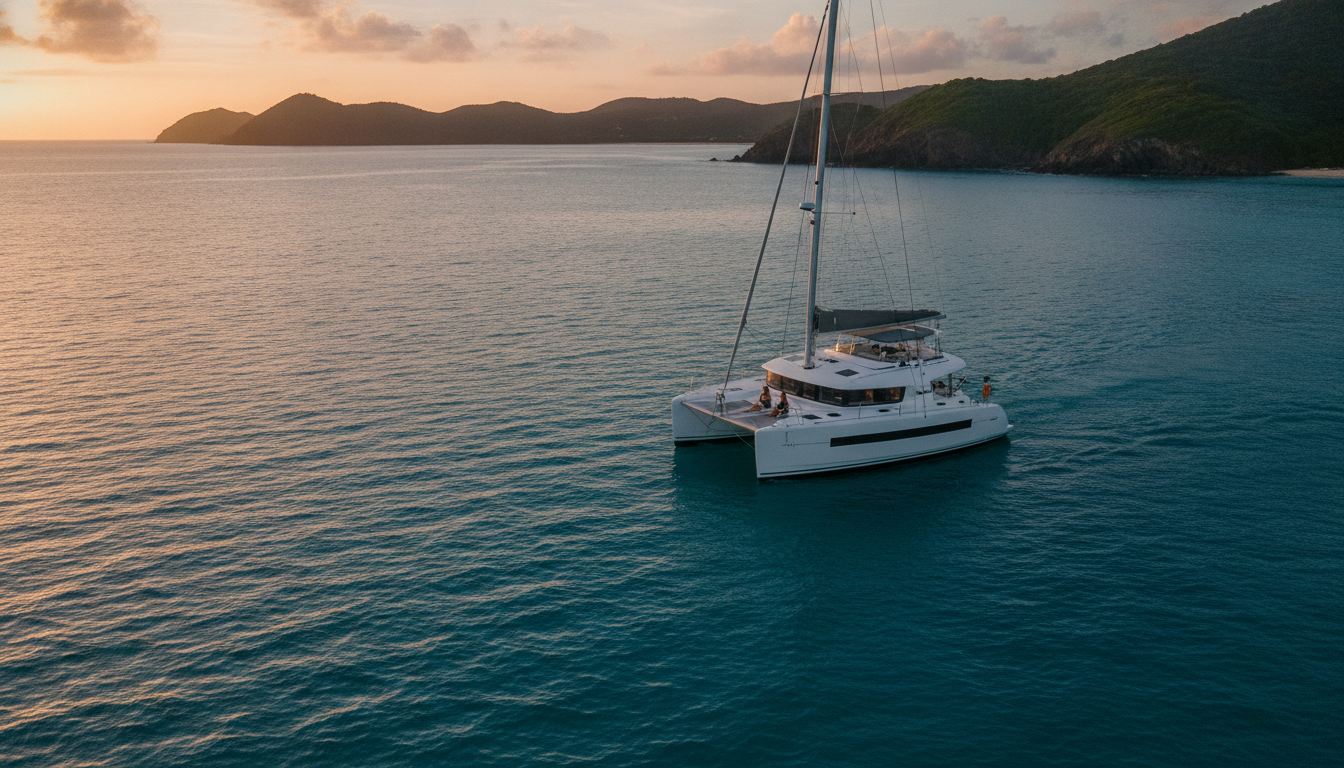
A safe sailing charter is built on a foundation of sound engineering. Modern catamarans and monohulls are designed with significant safety margins. For instance, catamarans offer incredible stability, making them nearly impossible to capsize in standard cruising conditions, while monohulls are designed with weighted keels that ensure they self-right if knocked over. When planning your next maritime adventure, choosing a provider like Salt-n-Sun Charter (https://saltnsuncharter.com/) ensures that your vessel meets the highest safety and maintenance standards currently available in the industry.
Essential Onboard Safety Equipment
Every charter vessel is required to carry a suite of safety gear. This includes:
- Life Rafts: Automatically deploying rafts that can sustain the entire crew in an emergency.
- EPIRBs (Emergency Position Indicating Radio Beacons): Devices that alert search and rescue satellites of the vessel’s exact location.
- VHF DSC Radios: Digital Selective Calling allows for one-touch distress signaling to all nearby vessels and coast guards.
- Fire Suppression Systems: Automatic and manual extinguishers located in the engine room and galley.
- Life Jackets and Harnesses: Modern, self-inflating jackets equipped with lights and whistles.
Structural Integrity and Redundancy
Safety is also found in redundancy. Professional charter yachts often feature twin engines (in catamarans), multiple bilge pumps, and redundant navigation systems. If one system fails, another is ready to take its place. This level of preparation is a key factor in why sailing charters are considered safe even in remote locations.
The Role of Technology and Weather Forecasting
The greatest threat to any vessel is the weather. In the past, sailors relied on barometers and sky observations. Today, the question of how safe are sailing charters is largely answered by our ability to predict and avoid weather systems. High-resolution GRIB files, satellite weather overlays, and services like PredictWind allow captains to see storms days before they arrive.
AIS and Collision Avoidance
The Automatic Identification System (AIS) has revolutionized safety at sea. It allows vessels to ‘see’ each other on a digital screen, even in fog or at night. AIS provides the name, speed, and heading of nearby ships, and more importantly, calculates the ‘Closest Point of Approach’ (CPA). This technology has drastically reduced the risk of collisions, which was historically a major concern for sailors.
Modern Navigation Systems
GPS and electronic charting systems (Chartplotters) have made groundings much less frequent. These systems provide real-time depth data and highlight underwater hazards with precision. When combined with traditional paper charts and a vigilant watch, these tools make navigating a charter yacht safer than driving a car in a busy city.
Safety Comparison Table: Standard vs. Professional Charter Standards
To better understand the safety levels, we can compare standard recreational boating with professional charter standards.
| Feature | Standard Recreational Boat | Professional Charter Vessel |
|---|---|---|
| Inspection Frequency | Occasional / Voluntary | Annual Mandatory Surveys |
| Crew Training | Varies / Often Minimal | STCW Certified Professionals |
| Emergency Comms | Handheld VHF | Fixed DSC VHF + EPIRB + Satellite |
| Stability Testing | Manufacturer Default | Certified Stability Criteria |
| First Aid | Basic Kit | Advanced Marine Medical Kits |
Human Factors: The Safety Briefing and Onboard Culture
Safety is not just about equipment; it is about behavior. A high-quality sailing charter begins with a comprehensive safety briefing. This briefing covers the location and use of all safety gear, emergency procedures (such as ‘Man Overboard’ drills), and the ‘one hand for the boat’ rule. By establishing a culture of safety from the moment guests step on board, the risk of minor injuries is greatly reduced.
Managing Risks: Alcohol and Night Sailing
While charters are for relaxation, professional captains strictly manage risks associated with alcohol consumption, especially while the vessel is underway. Additionally, many charter companies restrict night sailing for bareboat guests, ensuring that navigation is only performed during daylight hours when visibility is highest. These operational rules are vital components of the overall safety framework.
Safety for Children and Non-Swimmers
For families, the safety of children is the top priority. Modern charters address this through the use of safety netting around the perimeter of the deck, specialized child-sized life jackets, and strict rules regarding life jacket use while on deck. For non-swimmers, the stability of a large catamaran provides a secure platform that minimizes the risk of falling overboard.
Frequently Asked Questions
Is it safe to go on a sailing charter if I don’t know how to swim?
Yes, it is safe. While knowing how to swim is an advantage, all guests are provided with high-quality life jackets. Professional crews are trained to manage non-swimmers, and the stability of modern charter yachts makes falling overboard extremely unlikely.
What happens if there is a medical emergency at sea?
Charter vessels are equipped with extensive medical kits, and professional crews are trained in first aid. Furthermore, vessels are equipped with long-range communication tools to consult with shore-based medical professionals and coordinate medevac procedures with the coast guard if necessary.
How do charter boats handle extreme weather?
The primary strategy is avoidance. Captains monitor weather constantly and will alter the itinerary to stay in protected waters or remain in port if a storm is approaching. Charter yachts are also designed to handle much rougher conditions than they typically encounter.
Are sailing charters safe for small children?
Absolutely. Many families charter specifically because it is a controlled environment. With safety nets, proper supervision, and child-specific safety gear, children can enjoy the experience safely.
What is the risk of the boat sinking?
The risk of a modern, well-maintained charter boat sinking is statistically negligible. Vessels are built with multiple watertight compartments and high-capacity bilge pumps to manage any water ingress.
Conclusion
When asking How Safe Are Sailing Charters?, the evidence points to a resounding conclusion: with the right preparation, professional maintenance, and adherence to maritime regulations, sailing charters are an exceptionally safe vacation choice. The industry’s commitment to safety through advanced technology, rigorous crew certification, and stringent vessel inspections ensures that the risks of the sea are managed and mitigated. By choosing a reputable charter provider and respecting the protocols of the sea, travelers can focus on the beauty of their surroundings, confident in the knowledge that their safety is the highest priority. Whether you are a seasoned sailor or a first-time guest, the modern charter industry is engineered to provide a secure, reliable, and deeply rewarding experience on the water.


