Introduction
The global sailing charter market has witnessed an unprecedented surge in interest over the last decade. As travelers shift their focus from static luxury resorts to dynamic, experiential vacations, the allure of the open sea has never been stronger. However, the complexity of maritime logistics, combined with the nuances of vessel management, means that first-time and even seasoned charterers often fall into predictable traps. Understanding What Are the Most Common Boat Charter Mistakes to Avoid? is not merely about saving money; it is about ensuring the safety of your passengers and the success of your maritime investment. In an era where bespoke travel is king, the margin for error in yachting is slim. From selecting the wrong hull type to miscalculating the total cost of ownership for a week-long voyage, these errors can transform a dream vacation into a logistical nightmare. This guide provides a deep-dive analysis into the pitfalls of boat chartering and how to navigate them with professional precision.
1. Selecting the Wrong Vessel for Your Group Dynamics
One of the most frequent errors occurs during the initial selection phase. Charterers often choose a boat based on aesthetics or a specific brand name without considering the functional needs of their party. A sleek monohull might look classic and perform beautifully under wind, but if your group consists of individuals prone to seasickness or young children, the constant heeling (leaning) can become a source of discomfort. Conversely, a large catamaran offers stability and expansive social spaces but may struggle to find mooring in smaller, crowded Mediterranean ports.
Overestimating Cabin Capacity
Many charterers look at the number of berths and assume that is the maximum capacity for comfort. However, a boat that sleeps ten may only comfortably accommodate six if you value privacy and storage space. Overcrowding leads to tension, strained plumbing systems, and a lack of quiet areas. Always aim for a vessel where the number of guests is at least two fewer than the maximum berth count to ensure a high-quality experience.
Ignoring the Technical Specifications
Draft and beam are often overlooked. A deep-draft monohull cannot enter shallow Caribbean lagoons, while a wide-beam catamaran might double your mooring fees in high-demand marinas. Understanding where you intend to sail is as important as knowing how many people are coming. When planning your next excursion, choosing a reputable agency like Salt-n-Sun Charter ensures that many of these common pitfalls are addressed before you even set foot on the dock, as professional brokers help match the vessel to both your itinerary and your group size.
2. Miscalculating the Total Cost of the Charter
The base charter fee is rarely the final price. A significant mistake is failing to budget for the “hidden” or variable costs that accompany a week at sea. In the yachting industry, transparency varies between regions, and failing to read the fine print can lead to a 30% to 50% increase over the initial quote.
The Advanced Provisioning Allowance (APA)
In luxury crewed charters, the APA is a standard requirement. This is a deposit (usually 25-35% of the charter fee) used to cover fuel, food, drinks, and port fees. Many first-time charterers are shocked to find their APA exhausted halfway through the trip because they requested expensive vintage wines or long-distance cruising at high speeds. Monitoring your APA with the captain is essential to avoid a large bill at the end of the journey.
Bareboat Variable Costs
For those opting for a bareboat charter, the costs of fuel, water, ice, and mooring fees are often paid out of pocket. In peak season, a single night in a premium marina in Croatia or Italy can exceed 200 Euros. Failing to research these local costs leads to significant budget overruns.
Comparison of Charter Types and Potential Cost Factors
To better understand the financial landscape, consider the following comparison table:
- Charter Type: Bareboat – Primary Costs: Base fee, Security Deposit, Fuel, Mooring, Provisions. Risk: High (Liability for damage).
- Charter Type: Skippered – Primary Costs: Base fee, Skipper fee, Skipper’s food, Fuel, Mooring. Risk: Medium (Professional handling).
- Charter Type: Fully Crewed – Primary Costs: Base fee, APA (Fuel, Food, Drinks), Gratuity. Risk: Low (Professional management).
3. Inadequate Itinerary Planning and Rigidity
A common mistake is the “destination obsession.” Charterers often create a rigid list of islands or ports they must visit, failing to account for the most powerful variable in sailing: the weather. Attempting to stick to a fixed schedule against a strong headwind or heavy seas results in an uncomfortable, engine-heavy trip that exhausts the crew and guests alike.
The “Too Much, Too Fast” Syndrome
Trying to cover too many nautical miles in a single week is the quickest way to ruin a charter. Sailing should be about the journey, not just the destination. A good rule of thumb is to plan for no more than 3-4 hours of sailing per day. This allows for leisurely breakfasts, spontaneous swims in secluded coves, and early arrivals at marinas to secure the best spots.
Ignoring Local Knowledge
Many sailors ignore the advice of local base managers or captains. These professionals understand local wind patterns, such as the Meltemi in Greece or the Mistral in France, which can shut down certain routes for days. Flexibility is the hallmark of a successful charterer.
4. Neglecting the Pre-Departure Briefing and Inventory Check
When you arrive at the base, there is often a rush to get onto the water. However, skipping or rushing the check-in process is a massive mistake. This is the time to identify pre-existing damage, learn the idiosyncrasies of the vessel’s electronics, and locate safety equipment.
The Importance of the Inventory List
If the boat is missing a winch handle, a fender, or a specific kitchen utensil, you may be charged for it upon return if it wasn’t noted during check-in. Furthermore, understanding the battery management system and the water tank capacity is vital for off-grid sailing. Running out of fresh water or house battery power in the middle of a remote bay is an avoidable disaster.
Safety Equipment Familiarization
Do not assume everyone knows how to use the life jackets or the VHF radio. A common mistake is failing to conduct a safety briefing for the guests. Every person on board should know where the fire extinguishers are, how to operate the manual bilge pump, and the procedure for a Man Overboard (MOB) emergency.
5. Provisioning Errors and Galley Mismanagement
Food and drink are central to the charter experience, yet provisioning is often treated as an afterthought. Over-provisioning leads to waste and a cramped galley, while under-provisioning in remote areas can lead to high costs at small, overpriced island markets.
The Logistics of Sea Storage
Boat refrigerators are notoriously small and inefficient compared to household units. Buying bulk frozen goods without checking freezer space is a common error. Additionally, many charterers forget to buy essentials like dish soap, sponges, toilet paper (marine-safe), and seasonings, leading to multiple trips back to shore.
The Drinking Water Dilemma
Underestimating water consumption is a health risk. While many modern boats have water makers, they can fail. Carrying sufficient bottled water for drinking—separate from the tank water used for showering—is a non-negotiable requirement for a safe trip.
6. Misunderstanding Insurance and Liability
The maritime insurance landscape is complex. Many charterers assume their standard travel insurance covers sailing accidents, which is rarely the case. Failing to opt for “Damage Waiver” or “Security Deposit Insurance” can result in the loss of thousands of dollars for minor gelcoat scratches or a lost anchor.
The Security Deposit Trap
When chartering bareboat, you will likely leave a significant security deposit. If any damage occurs—even if it is not your fault, such as another boat hitting you in a crowded harbor—the base will deduct from your deposit. Professional charterers often use third-party insurance to cover this deposit, providing peace of mind for a relatively low premium.
Frequently Asked Questions
What is the most common mechanical issue on a charter boat?
The most common issue is a clogged marine toilet (head). Guests often flush non-biodegradable items or excessive paper, leading to system failures. Always instruct guests that nothing goes into the toilet that has not passed through their body, except for small amounts of marine-grade toilet paper.
Do I need a license to charter a boat?
This depends on the country and the boat size. In the Mediterranean, an ICC (International Certificate of Competence) or a recognized national sailing license is usually required for bareboat charters. In the Caribbean, a detailed sailing resume is often sufficient. Always verify requirements with your broker months in advance.
How much should I tip the crew?
For a crewed charter, the industry standard is between 10% and 20% of the base charter fee, depending on the level of service. This should be given to the captain at the end of the trip to be distributed among the crew members.
Can I bring hard suitcases on a boat?
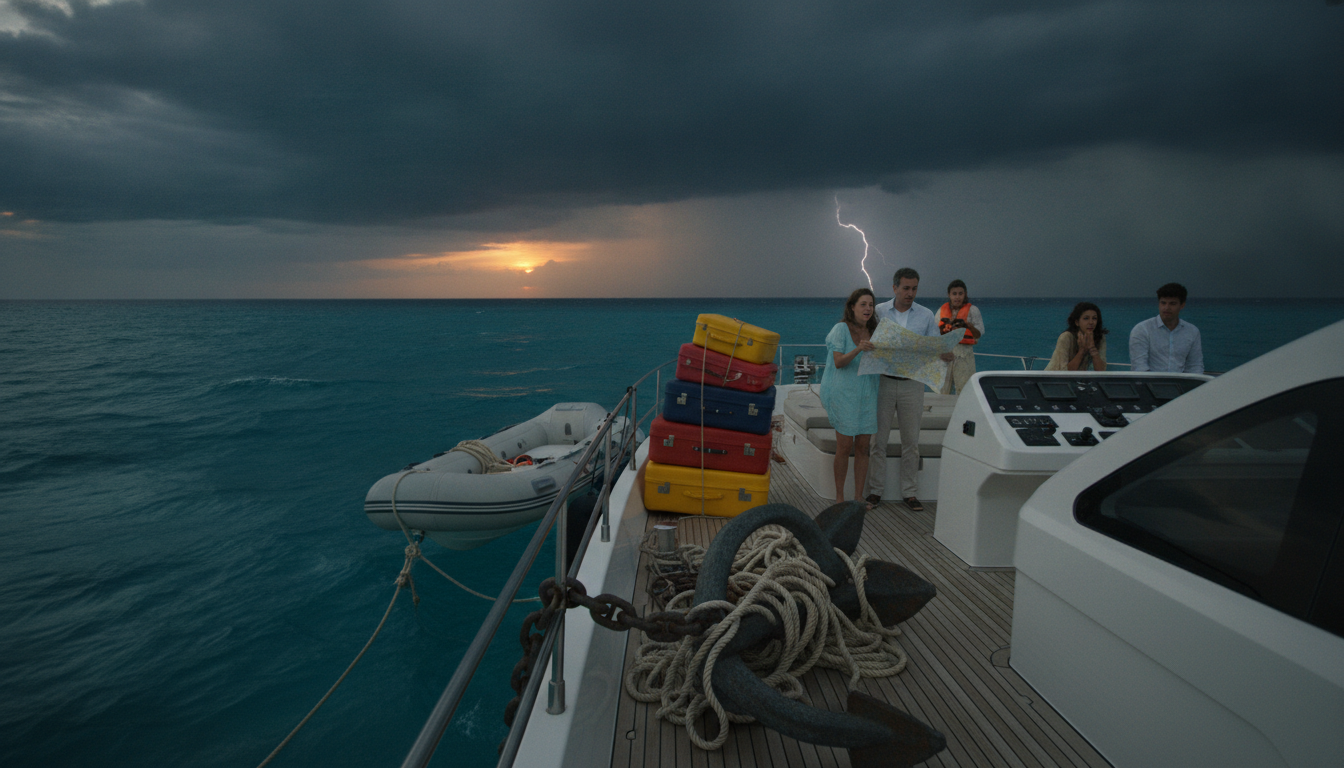
No, this is a major mistake. Storage space on a boat is limited and oddly shaped. Hard suitcases do not fold and are difficult to stow. Always use soft-sided duffel bags that can be tucked away in small lockers.
What happens if the weather is too bad to sail?
Safety is the priority. If the charter company or captain deems the weather unsafe, you must stay in port. Most charter contracts do not offer refunds for weather-related delays, which is why “trip interruption insurance” is highly recommended.
Conclusion
Avoiding the most common boat charter mistakes requires a combination of diligent preparation, financial transparency, and a flexible mindset. By selecting the right vessel, budgeting for the total cost of ownership, and respecting the unpredictable nature of the sea, you can ensure an experience that is both luxurious and safe. Whether you are navigating the intricate coastlines of the Amalfi Coast or the turquoise waters of the Exumas, the key to success lies in the details. Remember that a yacht charter is not just a vacation; it is the management of a complex vessel in a shifting environment. Trusting experts like those at Salt-n-Sun Charter can provide the professional layer of protection needed to navigate these waters successfully. With the right approach, your sailing charter will be a source of lifelong memories rather than expensive lessons.


