
Introduction: The Rising Tide of Private Maritime Travel
In the evolving landscape of global tourism, the quest for exclusivity, privacy, and authentic experience has led many travelers to look toward the horizon. The question, “Are Sailing Charters Worth It?” is no longer just a query for the elite; it has become a central consideration for families, couples, and adventure seekers evaluating their annual travel investments. According to recent industry data, the global yacht charter market is projected to reach significant heights by 2030, driven by a 25% increase in first-time charterers seeking socially distanced yet immersive vacations. This shift signifies a fundamental change in how we perceive value in travel. While traditional luxury resorts offer a static form of opulence, a sailing charter provides a dynamic, ever-changing environment that blends transportation, accommodation, and recreation into a single, cohesive journey. To determine if this investment aligns with your expectations, one must look beyond the surface level of pricing and explore the multi-faceted returns on a maritime holiday.
The Economic Reality: A Comparative Analysis
The primary barrier to entry for many potential sailors is the perceived cost. However, when analyzed through the lens of a per-person, per-day expenditure, the value proposition of a sailing charter becomes clearer. To understand if sailing charters are worth it from a financial standpoint, we must compare them to equivalent high-end land-based experiences. A luxury resort in the Caribbean or the Mediterranean often carries a nightly rate that excludes meals, excursions, and the cost of moving between islands. In contrast, a charter fee frequently encompasses the lodging and the means of travel simultaneously.
Comparative Cost Table: Resort vs. Charter
| Feature | Luxury Land-Based Resort | Private Sailing Charter (Crewed) |
|---|---|---|
| Accommodation | Fixed Suite (Static View) | Private Cabin (Changing Vistas) |
| Dining | Extra (High-end restaurant prices) | Included (Bespoke Chef-prepared meals) |
| Transportation | Additional (Taxis, Ferries, Flights) | Included (The yacht is the transport) |
| Privacy | Shared (Pools, Beaches, Lobby) | Absolute (Exclusive use of the vessel) |
| Activities | Paid per excursion | Included (Snorkeling, Paddleboarding, Kayaking) |
As the table illustrates, while the upfront cost of a charter may seem higher, the inclusive nature of the experience often results in a more controlled budget. For those seeking a professional and seamless booking experience, Salt-n-Sun Charter offers a variety of options that cater to different budget levels while maintaining a high standard of luxury and safety.
The Intangible ROI: Privacy and Customization
The true value of a sailing charter often lies in what cannot be quantified on a balance sheet. In an era of mass tourism, privacy has become the ultimate luxury. On a private yacht, you are the master of your itinerary. If you find a secluded cove that captures your heart, you can choose to drop anchor and stay for two days. If a popular port feels too crowded, you simply raise the sails and find a quieter meridian. This level of autonomy is virtually impossible to achieve in any other form of travel. Furthermore, the customization extends to the culinary experience. Unlike a resort buffet or a set menu, a crewed charter involves a detailed preference sheet. Your private chef tailors every meal to your dietary requirements, allergies, and personal tastes, ensuring that every bite is a reflection of your desires.
Technical Considerations: Catamarans vs. Monohulls
To determine if a charter is worth it for your specific group, you must understand the technical differences between vessel types. The choice of hull significantly impacts comfort, space, and the overall ‘feel’ of the trip.
The Rise of the Power and Sailing Catamaran
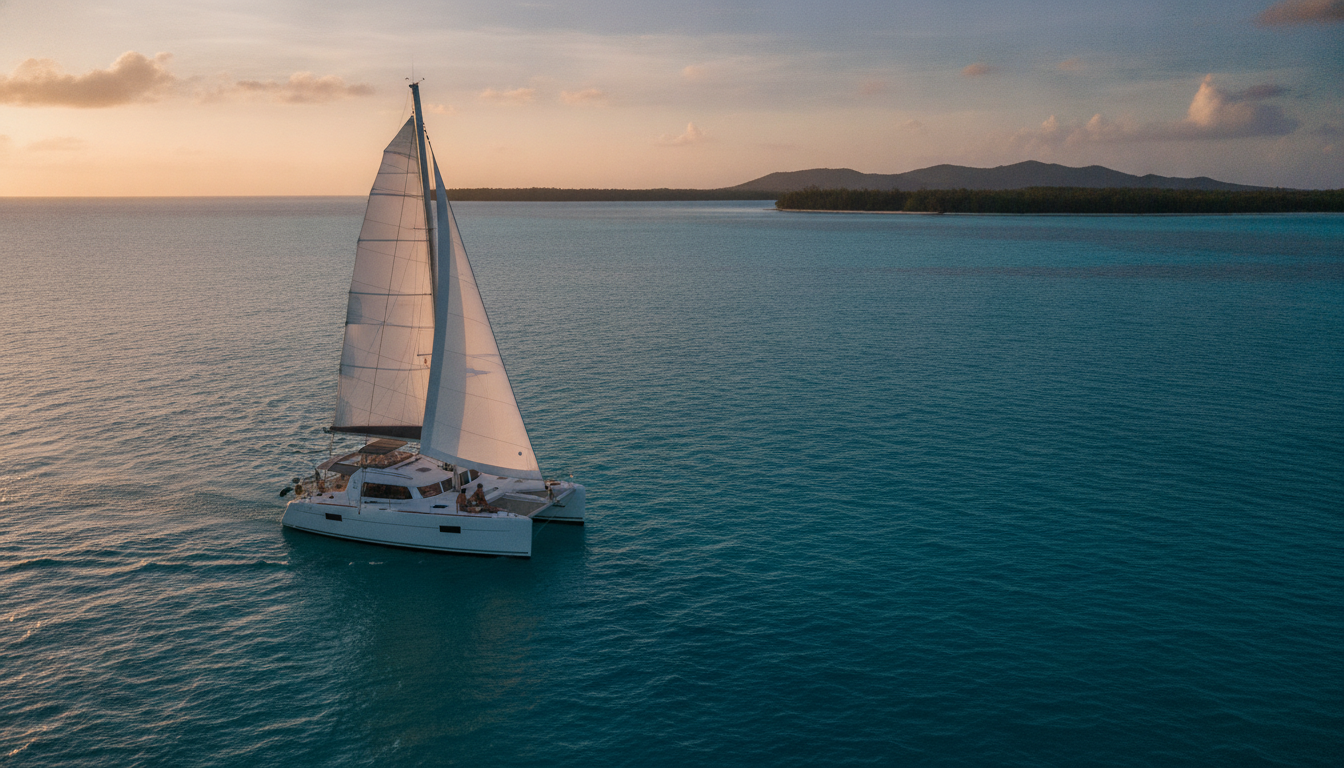
Catamarans have revolutionized the charter industry. Their dual-hull design provides immense stability, virtually eliminating the ‘heeling’ (leaning) associated with traditional sailing. This makes them ideal for those prone to seasickness or families with small children. The wide beam of a catamaran allows for a massive ‘saloon’ (living area) and expansive deck space, often including a ‘flybridge’ for panoramic views. For many, the sheer square footage of a catamaran makes the charter worth every penny, as it feels more like a floating villa than a boat.
The Traditional Monohull Experience
For the purist, the value of a sailing charter is found in the mechanics of sailing itself. Monohulls offer a more ‘authentic’ nautical experience. They cut through the water with grace and provide a sensory connection to the wind and waves that a catamaran cannot match. While they offer less living space, the cost of chartering a monohull is often lower, providing a more accessible entry point for those focused on the sport of sailing rather than just the destination.
The Educational and Psychological Benefits
Beyond the luxury, sailing charters offer profound psychological rewards. The concept of ‘Blue Mind’—the mildly meditative state we should reach when near, in, on, or under water—is a scientifically recognized benefit of maritime travel. The rhythmic sound of the hull cutting through the water and the absence of urban noise pollution contribute to a significant reduction in cortisol levels. Additionally, for families, a sailing charter is an educational goldmine. Children learn about marine biology, navigation, weather patterns, and the importance of resource management (water and power conservation). These ‘soft’ returns on investment contribute heavily to the argument that sailing charters are indeed worth it.
Logistics and Hidden Costs: Managing Expectations
To ensure your charter is worth the investment, you must be aware of the financial structure of the industry. There are typically two types of contracts: ‘All-Inclusive’ and ‘Plus Expenses.’ All-inclusive charters (common in the Virgin Islands) cover everything from food to fuel. ‘Plus Expenses’ (common in the Mediterranean) involve an Advance Provisioning Allowance (APA), which is usually 30-35% of the charter fee. This fund covers fuel, dockage fees, and premium alcohol. Understanding these nuances prevents ‘bill shock’ at the end of the voyage, ensuring that your memories remain untainted by unexpected costs.
Frequently Asked Questions
1. Do I need sailing experience to book a charter?
No. While ‘bareboat’ charters require a license and experience, ‘crewed’ or ‘skippered’ charters provide a professional captain and often a chef. This allows you to be as involved or as relaxed as you wish, making the experience accessible to everyone regardless of their nautical skills.
2. Is a sailing charter suitable for children?
Absolutely. Children often find sailing charters to be the most memorable vacations of their lives. The constant change of scenery, the opportunity to swim off the back of the boat, and the chance to learn about the ocean provide endless engagement. Most crews are highly experienced in hosting families and can provide child-friendly menus and activities.
3. What is the best time of year to book a sailing charter?
This depends entirely on the destination. The Caribbean season runs from December to June, with the ‘shoulder seasons’ (November and May) offering the best balance of weather and price. The Mediterranean season is from May to October, with July and August being the peak (and most expensive) months. Choosing the right season is crucial to ensuring the charter’s value.
4. How do I handle seasickness on a charter?
Modern catamarans are incredibly stable, which significantly reduces the risk of motion sickness. Additionally, captains can plan routes that stick to calm, protected waters. Over-the-counter remedies and acupressure bands are also effective. For most people, ‘sea legs’ are acquired within the first 24 hours.
5. What should I pack for a sailing holiday?
The rule of thumb for sailing is ‘less is more.’ Soft-sided luggage is essential as it can be easily stored in cabin lockers. You will spend most of your time in swimwear, light linen clothing, and boat shoes or bare feet. Protection from the sun (hats, polarized sunglasses, and reef-safe sunscreen) is the most important consideration.
Conclusion: The Final Verdict on Value
In conclusion, determining whether a sailing charter is worth it requires a shift in perspective. If you value the freedom to explore untouched landscapes, the intimacy of a private setting, and the psychological rejuvenation that only the ocean can provide, then a sailing charter is perhaps the most high-value vacation available today. It is more than just a trip; it is a bespoke adventure that offers a unique return on investment in the form of lifelong memories and a deeper connection to the natural world. By choosing the right vessel, understanding the costs, and partnering with reputable providers like Salt-n-Sun Charter, you ensure that your journey into the blue is not just a luxury, but a transformative life experience. The horizon is calling; the only question left is when you will choose to answer it.


